
Dead Simple
Storage for Everyone,
Income for Spaces.
Find a local space, drop your gear, and get on with life. No dramas, just fair deals.
No subscription fees. No listing fees. Founder Hosts pay 0% platform fee for 6 months from launch. After that, a 15% commission applies.
Simple Pricing
Zero Fees
for Storers.
Searching, browsing, and booking is 100% free for storers. You only pay the space owner's rate and the payment processing fee. Hosts currently pay 0% commission as Founder Hosts for 6 months from launch.
$0Always Free
Finding Space
Your gear, in a trusted space.
We handle the details so you can get on with life. Simple steps, zero hidden agendas.
01
Browse local spots without the dramas
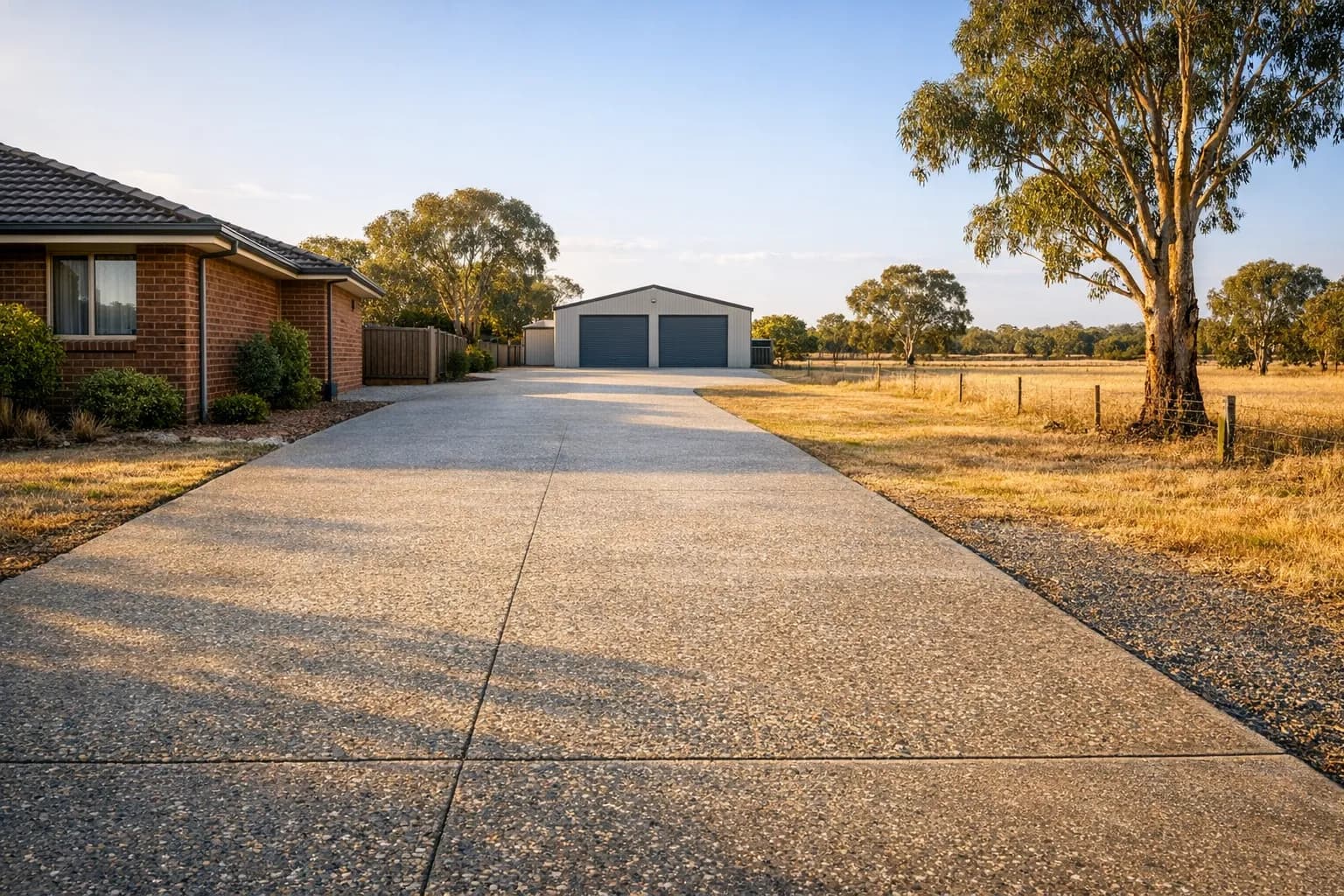
Commercial self-storage is built for volume, not value. You are paying for a climate-controlled box in an industrial park twenty minutes from your house, accessed through a keypad you will forget the code for. Private storage, a neighbour's shed, a local garage, a rural yard with a container, is different. It is usually closer to home, cheaper per square metre, and run by a real person who is invested in looking after what is stored there.
Browse by your postcode or suburb. Listings cover everything from single-car garages (good for furniture, bikes, and household overflow) to large sheds and yards (better for equipment, commercial stock, or larger items). Each listing notes dimensions, access hours, whether there is a power point, and the surface type.
Enter your area on the map and the results show what is available nearby, with real photos and clear pricing. No guessing, no mystery fees.

02
Request your spot in seconds
When you find something that looks right, send a message. Tell the host what you need to store. Be specific about size, quantity, and whether any items are sensitive to moisture or temperature. Fragile antiques and a box of old sports gear have different requirements. Hosts appreciate the detail because it helps them confirm their space is genuinely suitable.
Most StorageFinder hosts are households or small business owners with underused space. They are not running a commercial facility, which means they will often go above and beyond to make an arrangement work. That said, their shed is their property, and the arrangement works best when both sides are clear from the start.

03
Secure payment via Stripe
Pay when you book, your request only reaches the host after payment is confirmed. If the host declines or doesn't respond within 72 hours, you get a full refund. Stripe handles everything with bank-level security and your payment details are never seen by the host.
Once confirmed, you receive the host's contact details and access instructions. The Handover takes care of condition records at drop-off and pick-up. No paperwork to argue over. Just a fair transaction between two people who both want it to be simple.
New to storage? Read How to Store Your Vehicle
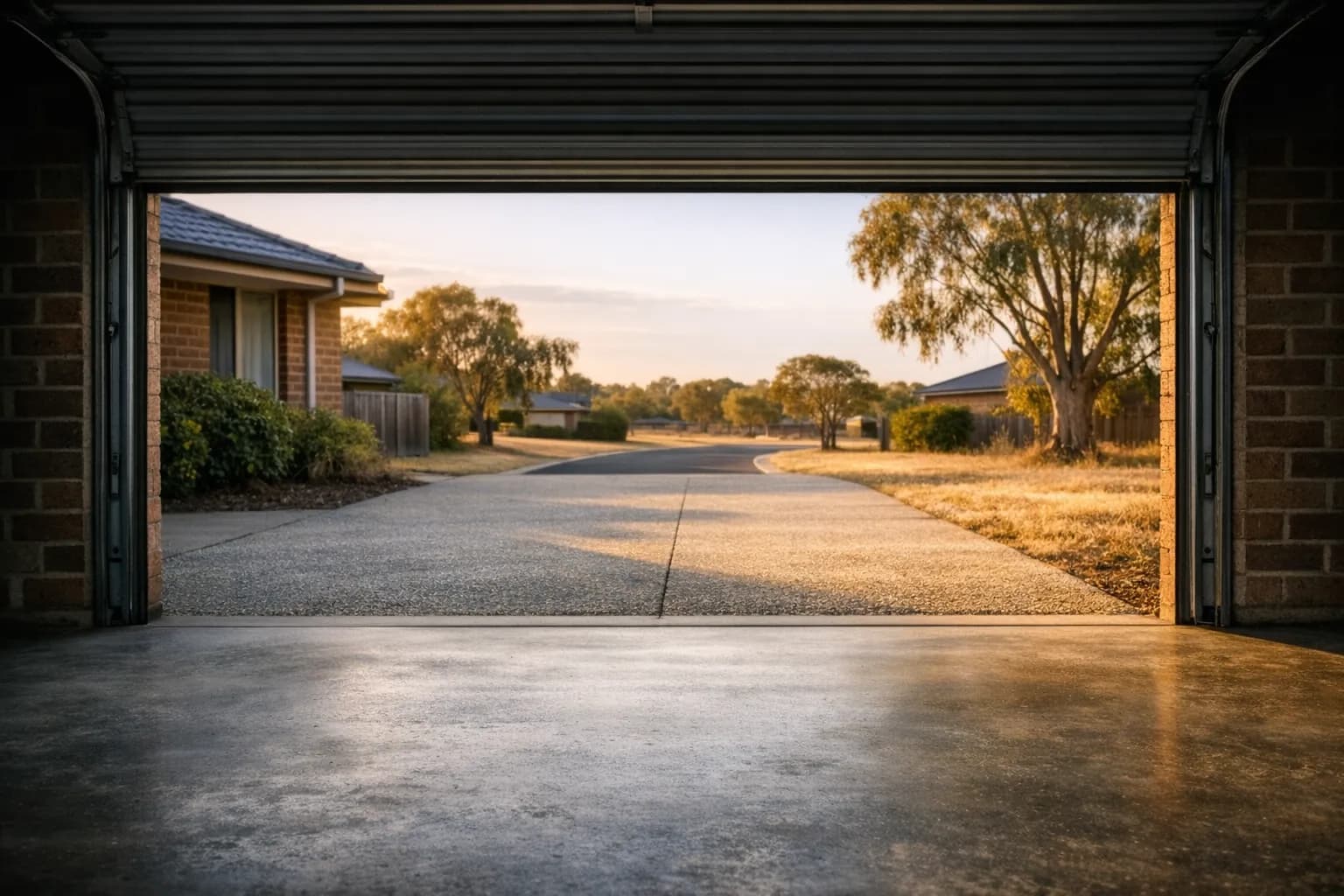
Commercial self-storage costs twice as much and sits half as close to home.
Per-square-metre costs at commercial self-storage facilities in metro areas typically run 40 to 80 per cent higher than private shed or garage storage, and the facilities are usually in industrial zones: not walkable, not convenient for a quick trip. Private storage through StorageFinder is within your suburb, priced by what the space is actually worth, and run by someone who actually cares about what is stored there.
The Practical Guide
What to know before you store in a private garage, shed or yard
What private storage is best for
Private storage suits household overflow, seasonal items (outdoor furniture, sports gear, camping equipment), business stock or equipment, vehicles, and anyone who wants local, accessible storage without a fixed commercial contract.
It is generally not suited for items requiring climate control: fine art, documents, wine, or electronics sensitive to humidity. For those, a climate-controlled self-storage facility is the better choice. Be honest with yourself about what your items need before you book.
Moisture and ventilation
Unlined sheds and garages in Australia can experience significant temperature and humidity swings, particularly in coastal areas or during the transition from dry to wet season in the north. If you are storing timber furniture, books, cardboard boxes, or anything that can warp or mould, ask the host about ventilation. Does it get condensation in winter?
Simple mitigation: elevate items off the floor on pallets or shelving (contact with concrete draws moisture), use silica gel sachets inside boxes, and do not wrap timber furniture in plastic, which traps moisture rather than letting it breathe.
Access and flexibility
One of the real advantages of private storage over commercial facilities is the human element. If you need access outside the listed hours, a quick message to the host usually resolves it. If you need to bring a truck to retrieve something large, you can coordinate. Commercial facilities are more rigid by necessity. Private hosts are not.
That said, it is a good-faith arrangement. Do not turn up at 10pm unannounced. Set expectations at the start, stick to them, and communicate if your needs change.
Locks and security
Private sheds and garages vary considerably in security. Some have deadlocks, perimeter fencing, and CCTV. Others have a standard padlock. Ask the host what security is in place and make a judgment call about whether it suits the value of what you are storing. For high-value items, you might want to ask about adding your own padlock to the door hasp. Most hosts are fine with this.
Insurance
Your home and contents insurance may extend to items stored off-premises, but coverage limits and exclusions vary. Check your policy. If you are storing business stock, separate business insurance is almost certainly required, as your home contents policy will not cover it. For anything of significant value, a five-minute call to your insurer before you drop it off is time well spent.
Two photos. Clear record.
The Handover.
Two photos per booking. A clear record for both sides if anything ever comes up.
1
Arrival photo
Record how things looked on arrival. Clear starting point for both sides.
2
Departure photo
Space is clear, all done.
Handover
Submit Snapshot
Cancel
Encrypted & Timestamped
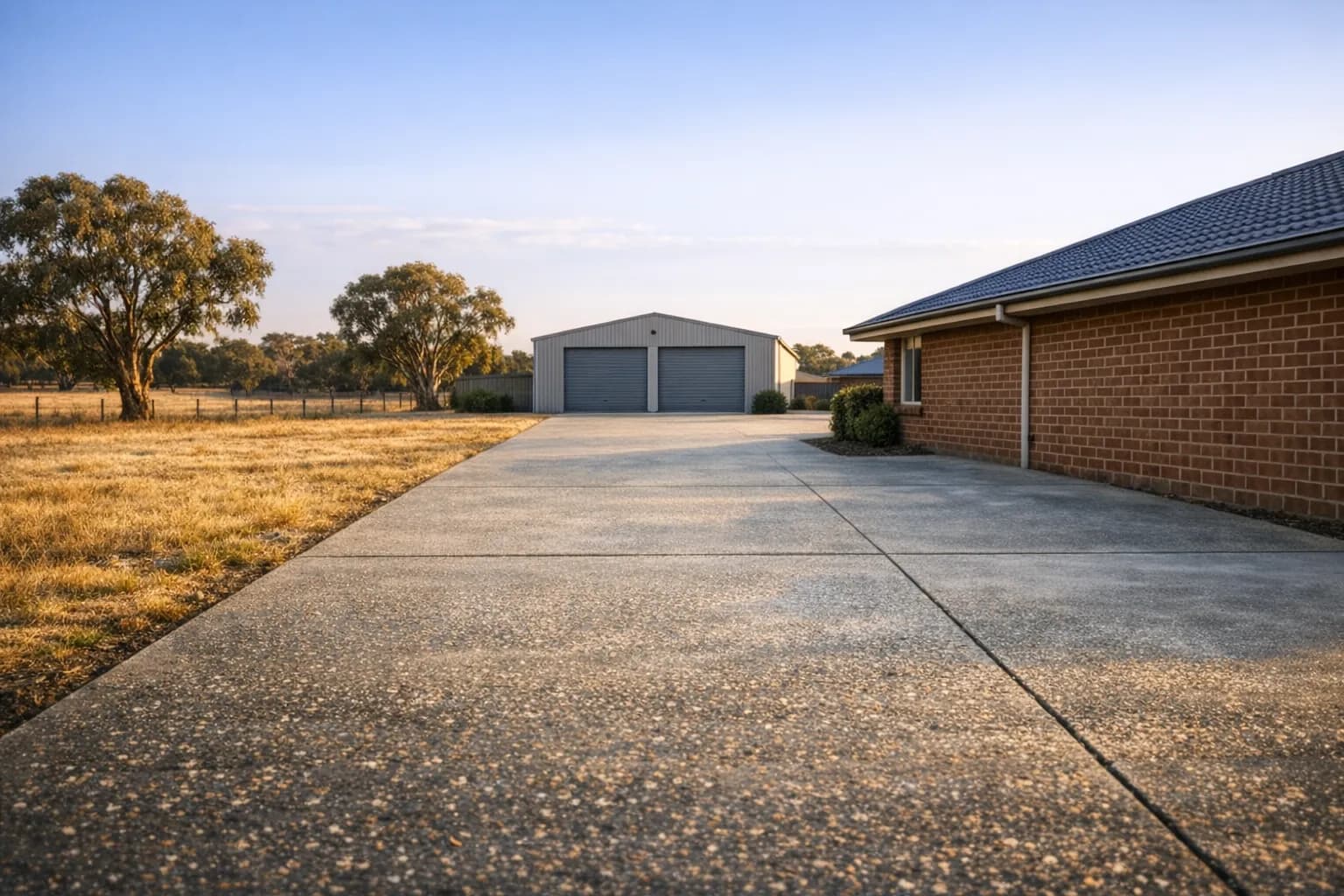
Your shed is bigger than your needs. Someone else's needs are bigger than their shed.
Across Australia's suburbs, there are thousands of garages, sheds, and yards sitting mostly empty, half-used by the household and the rest sitting idle. And there are thousands of households and small businesses who need exactly that kind of space but cannot justify a commercial lease. StorageFinder connects the two. It is a straightforward exchange that works for both sides.
List Your SpaceHost a Space
Your space. Your rules. Your earnings.
Start earning from day one
Upload photos, set your rules, and pick your price. It is completely free to put your unused space to work.
You pick who stores, you pick what stays
Review every request. Approve the items that suit your space and reject the ones that do not. No surprises.
Cash in your back pocket
Payouts are initiated after check-in and typically arrive in your bank account within 2–5 business days, depending on your bank and payment processing times.
List My Space Now
0% Commission for Founder Hosts. Zero Upfront Costs.
Built on Trust
Verified Members
Email and phone verified. Earn a Verified Member badge with photo ID.
Secure Payments
All payments processed securely through Stripe with platform-facilitated dispute resolution.
Handshake Deals
Transparent pricing, fair terms, and no hidden fees. Ever.
Real Help
Real people, based locally. Chat, email, or call.
Common Questions
Got questions? We have answers.
Is private shed storage cheaper than a self-storage unit?
Generally, yes. Per-square-metre costs in private sheds and garages run significantly below commercial self-storage rates, particularly in suburban and regional areas. You are not paying for the overhead of a managed facility. The trade-off is that private storage is less standardised, so quality varies by listing. Read the listing carefully and ask questions.
What can I not store in a private garage or shed?
Hosts set their own rules, but common exclusions across private storage include hazardous chemicals, firearms without appropriate storage compliance, perishable food, items with known vermin issues, and anything illegal. Most listings are clear about restrictions. If you would feel uncomfortable telling the host exactly what you are storing, that is a sign you probably should not store it there.
What happens if the host needs their shed back?
Arrangements on StorageFinder are typically month-to-month. If a host needs the space back, they give notice as agreed, usually 30 days. This gives you time to find an alternative. Reliable storers are valuable to hosts, and a good arrangement will rarely be ended without good reason.